Circled by waters that never freeze, beaten by billow and swept by breeze,
 lieth the island of Manisees....
~ John Greenleaf Whittier, from his poem Palatine.
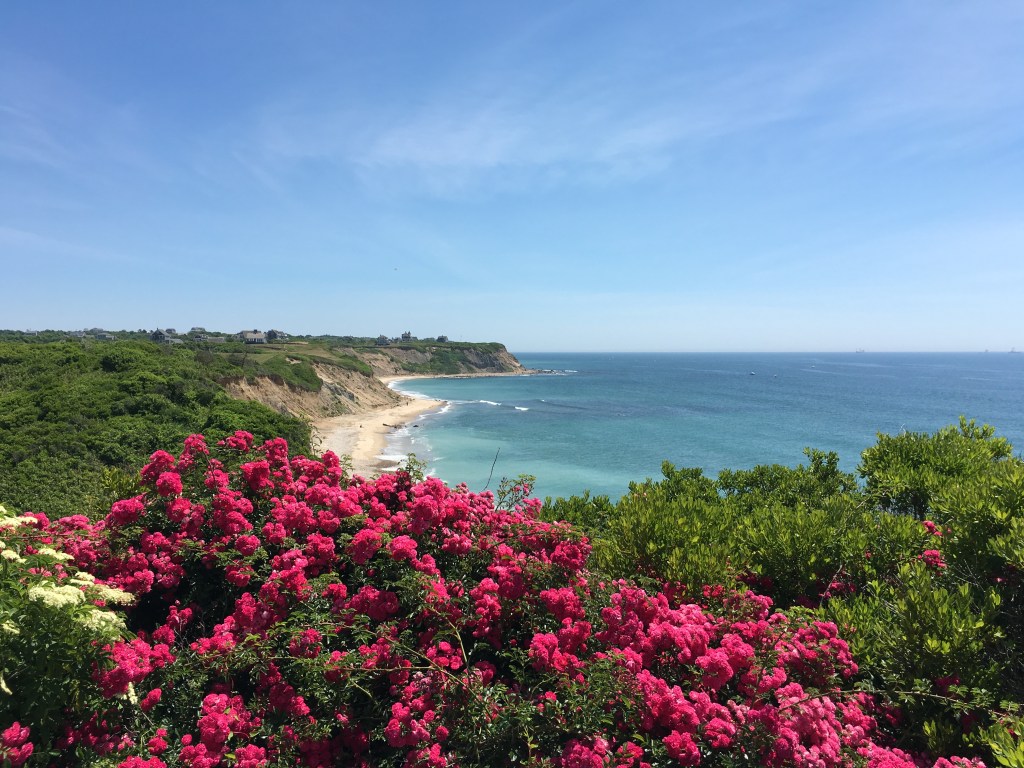
January has got to be the longest and dullest month to trudge through. The glitter and lights of the holiday season are over, and it’s back to the boring humdrum of the daily routine. Nothing fun or interesting is coming up soon. It’s gray, dark, with bland colors and weak sunlight filtering through the clouds. So, naturally my thoughts turn to summer—and, in my life, summer means a couple of weeks on Block Island, easily one of my absolute favorite places on earth.

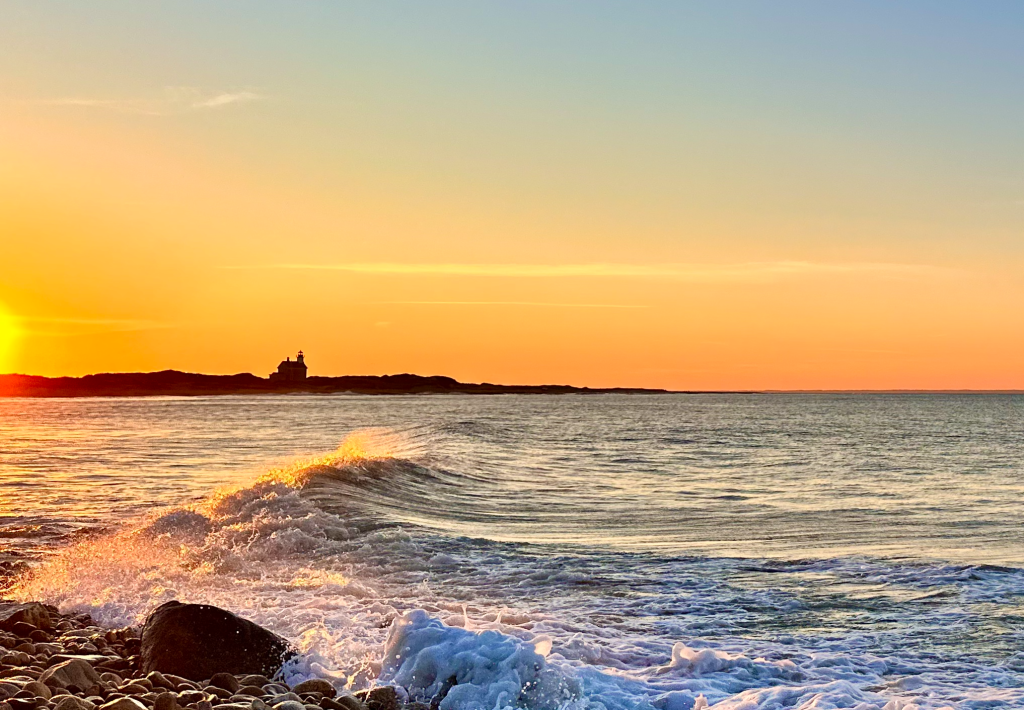
It’s a very special island with a quiet, natural beauty: miles of Nature Conservancy trails, wild beaches and some of the most amazing sunsets I’ve ever seen. It’s one of those places where I can feel my shoulders drop, let out a long exhale, and take in a slow, deep breath filled with the scent of beach roses mingling with salt air.
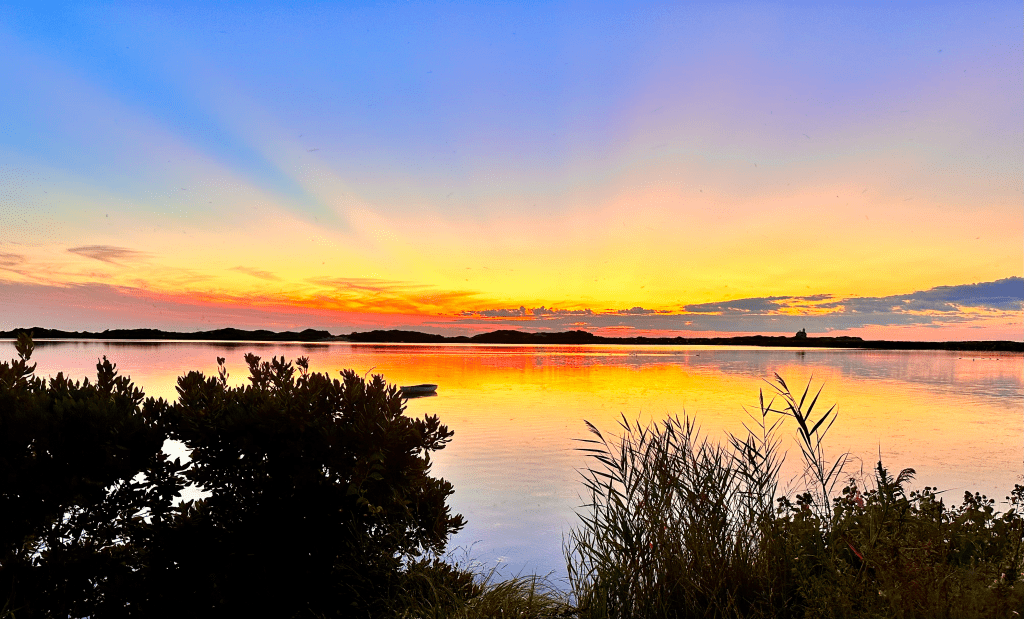
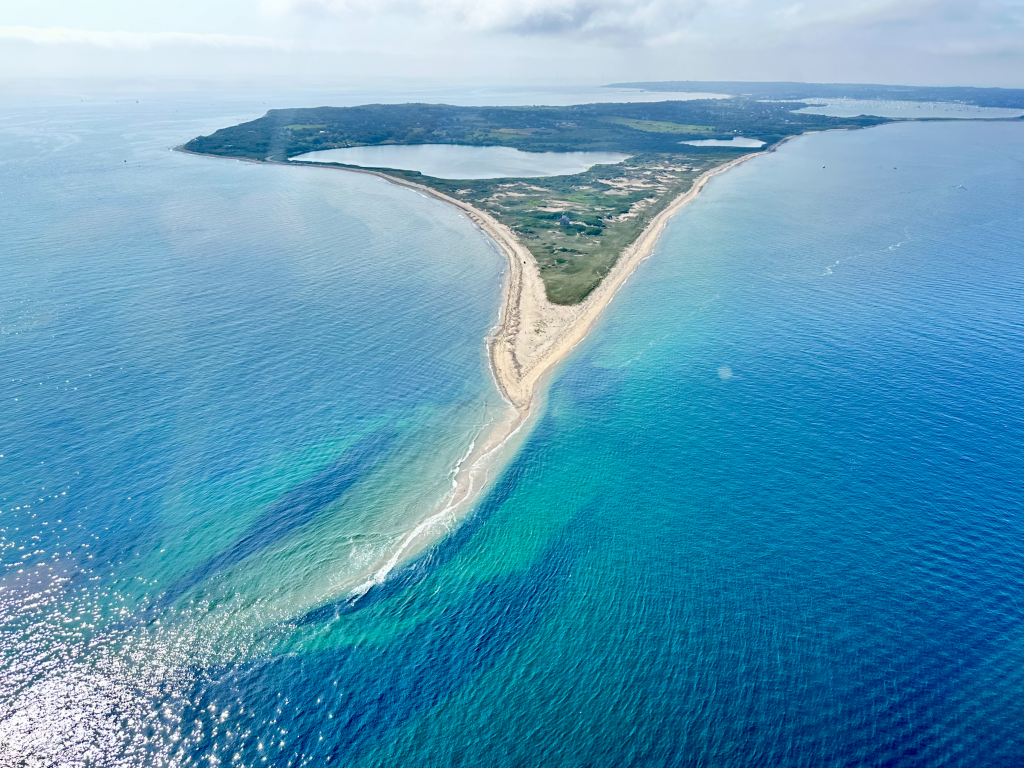
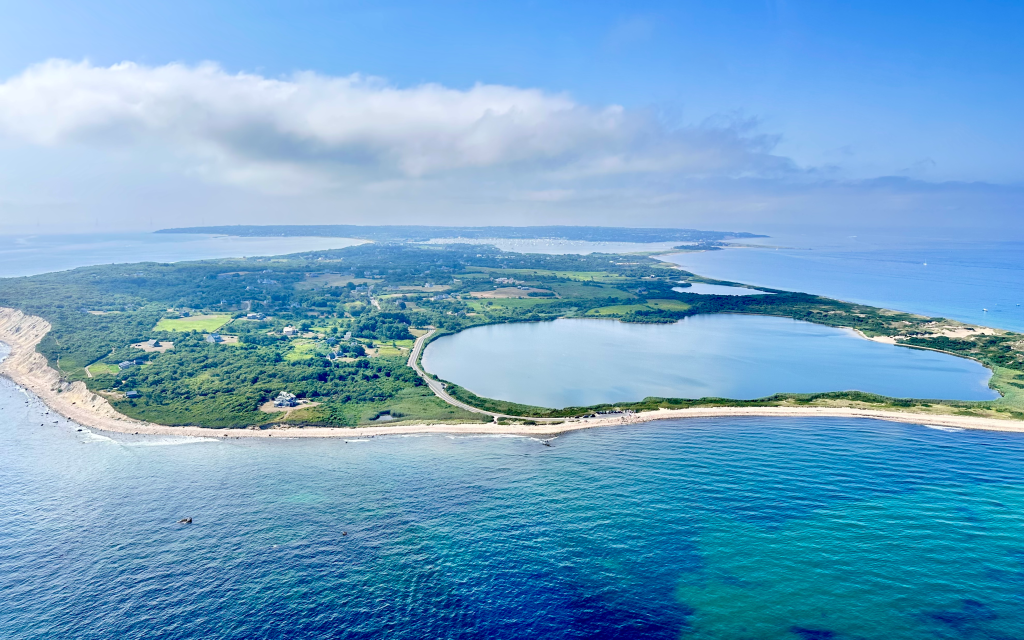
Block Island is a small island that belongs to Rhode Island. It sits approximately 12 miles off the mainland and is accessible only by ferry. It’s part of an archipelago of islands known as the Outer Lands, which includes Long Island, Martha’s Vineyard and Nantucket. It’s about seven miles long and three miles wide. 43% of the island is preserved open space.
Why is it called Block Island?
Okay, it’s not actually shaped like a block (it’s actually shaped like a drop of water!). Originally called Manisses, the island was inhabited by the Manissean tribe which was part of the Narragansett people who lived in southern New England. Manisses means “Island of the Little God”.
In 1614, Dutch explorer Adriaen Block floated by, liked what he saw, and—like many European explorers tended to do—renamed the island after himself: Block Island. This, of course, caught the interest of English settlers in Massachusetts and in 1661, sixteen families settled on the island with the intention of farming and fishing. A few years later, it was officially incorporated as the Town of New Shoreham—as it’s still called today.

Block Island Today…
No longer a farming community, Block Island is now a popular summer vacation spot. In the late Victorian era, it became a destination for the bougie class—those looking to escape the heat of the cities in favor of open space and refreshing sea breezes. The island still has that Victorian-era vibe especially in the architecture of the old hotels that are clustered around the area known as Old Harbor. Most of them are original structures and are the first things you see as the ferry docks .
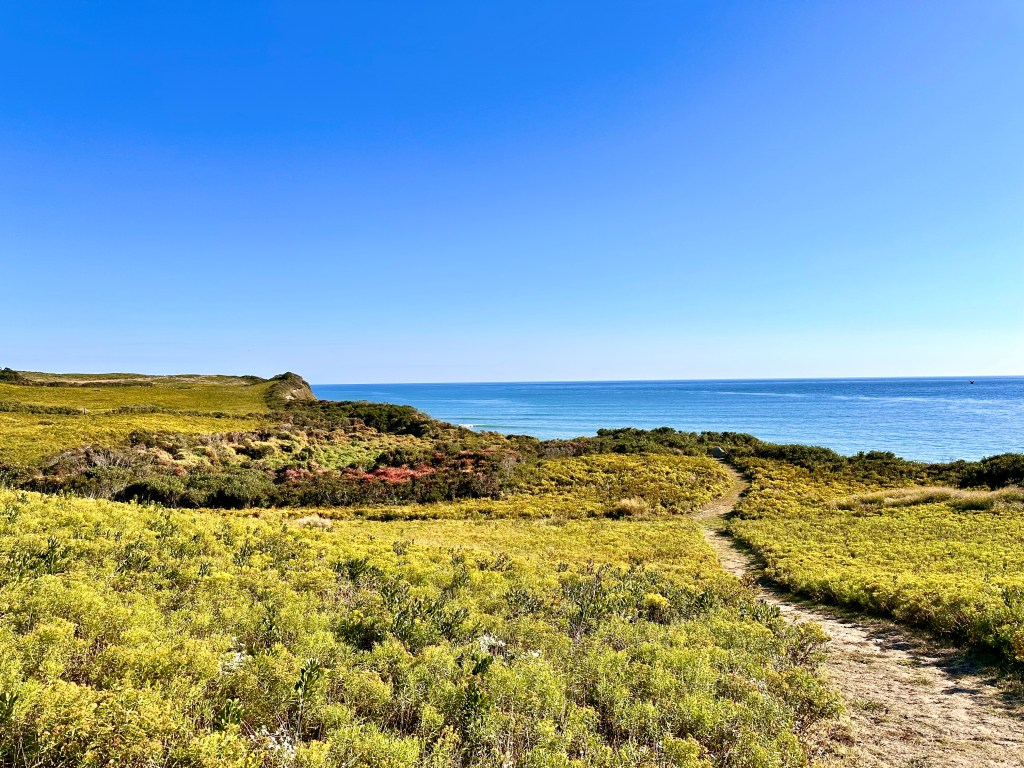
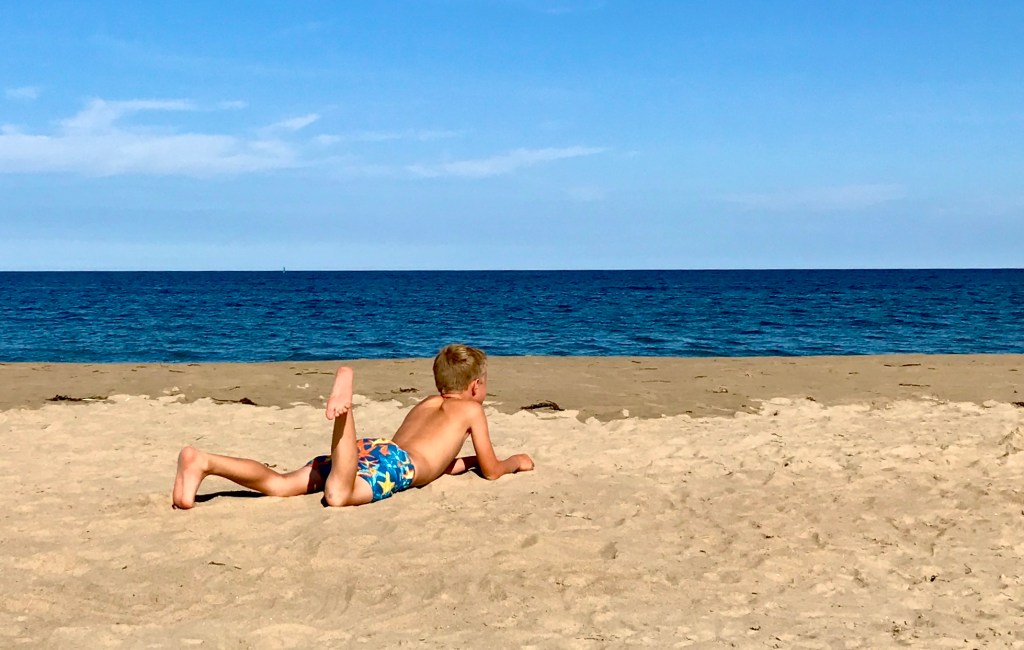
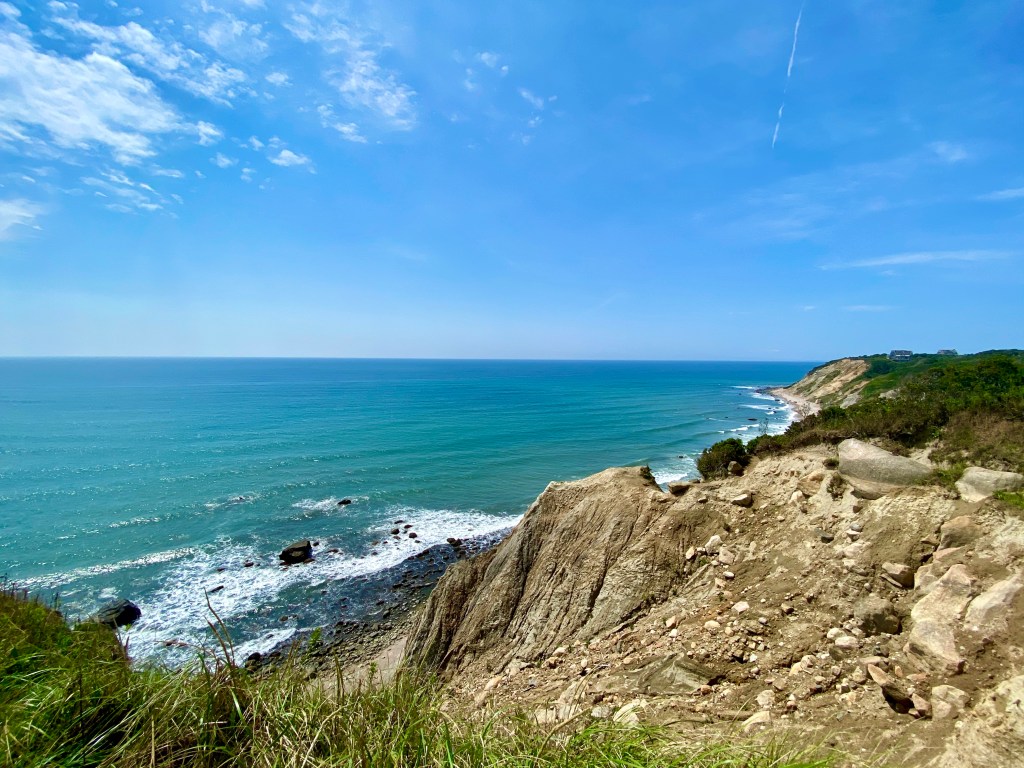
Luke and I love losing ourselves on the miles of nature trails—exploring the wild beaches on the west side of the island, hiking along the craggy clay bluffs, and walking past the North Light to the very northern tip where the harbor seals hang out. One of our favorite BI activities is going to the long stretch of beach on the eastern shore known as crescent beach, sitting in the soft sand and relaxing for hours, with interludes of swimming and jumping in the high waves.
A few Block Island fun facts…
Block Island is an important stop on the Atlantic Flyway for migratory birds. Over 70 species of songbirds, raptors and waterfowl use Block Island as a layover on their migration routes.
Block Island is rich in freshwater. It’s said there are 365 ponds on the island—one for every day of the year—though the actual number is probably closer to 300.
Block Island has two historic lighthouses: The North Light (1867), which sits back from the northern most tip of the island, and the Southeast Light (1873) perched 150 feet above sea level on Mohegan Bluffs.
From a spot on the southern part of the island, you can see three states at once: New York (Montauk), Eastern Connecticut, and of course Rhode island—where you are actually standing.
The only thing I don’t love about Block Island is leaving it.

 Anne Charlotte Photography
I’d love to hear your thoughts