Christmas is a season for kindling the fire for hospitality in the hall, the genial flame of charity in the heart.
~ Washington Irving
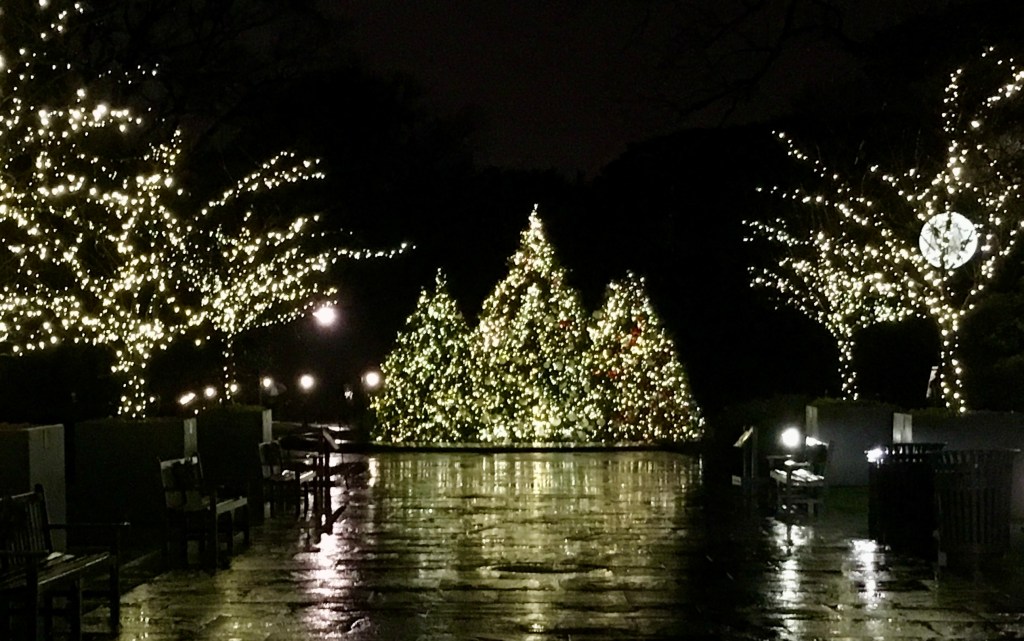
Christmas Bells
I heard the bells on Christmas Day
Their old, familiar carols play,
And wild and sweet
The words repeat
Of peace on earth, good-will to men.
~ Henry Wadsworth Longfellow
The end of the year always seems to rush by doesn’t it? It seems like the time between Halloween and New Year’s Day goes by in a blink! And now here we are – with Christmas in sight and 2026 on the horizon.

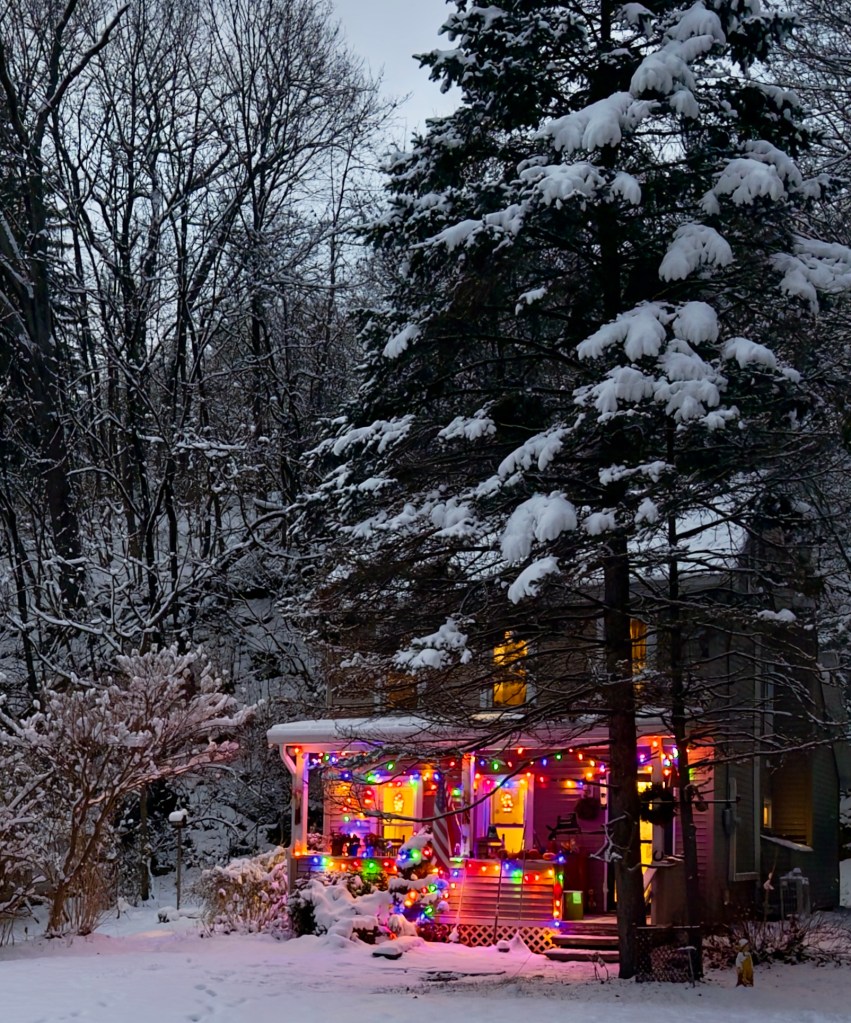
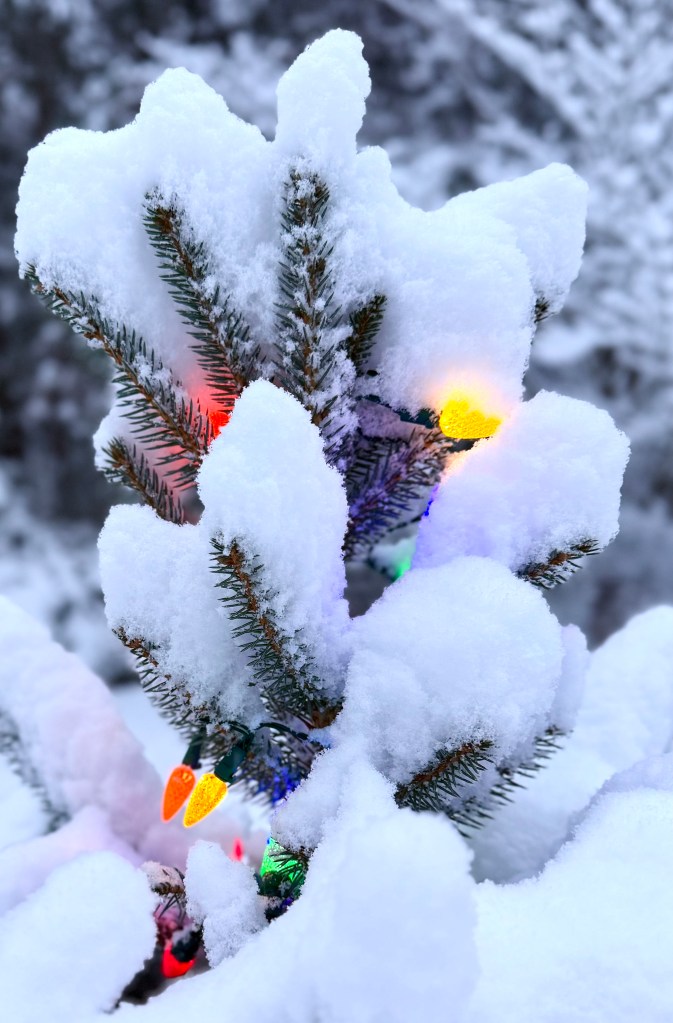
I’ve always enjoyed the holiday season for its warmth and lights, the decorations around town, festive activities, and the hope of a little December snow to give everything just a bit more of a Currier and Ives feel. These are welcome distractions from the harsher realities many of us carry – but sometimes, in the middle of all that festive atmosphere, you catch yourself wondering….what’s the point of all of this? It can feel absolutely exhausting trying to keep up with the “holiday spirit” when you’re just…struggling to even breathe some days.
Still, you go through the motions, put a smile on your face and say “I’m fine”. You hold onto the traditions, distract yourself with the niceties of the season – because they do matter to someone. My holiday rituals include taking Luke to pick out a Christmas tree, bringing it home to decorate together, having our Christmastime “city day” in Manhattan, baking Christmas cookies, and watching the old Christmas classics: Miracle on 34th Street, Holiday Inn, It’s a Wonderful Life – and of course, A Charlie Brown Christmas.
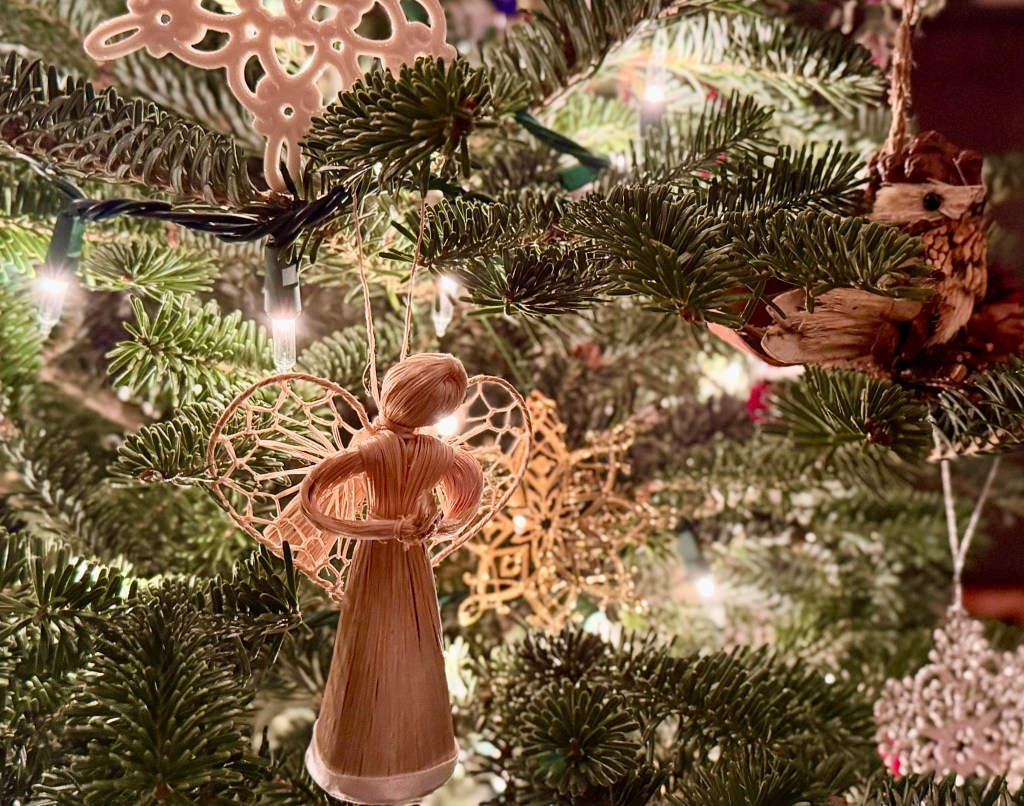

with a startling resemblance to
The Elf on the Shelf!
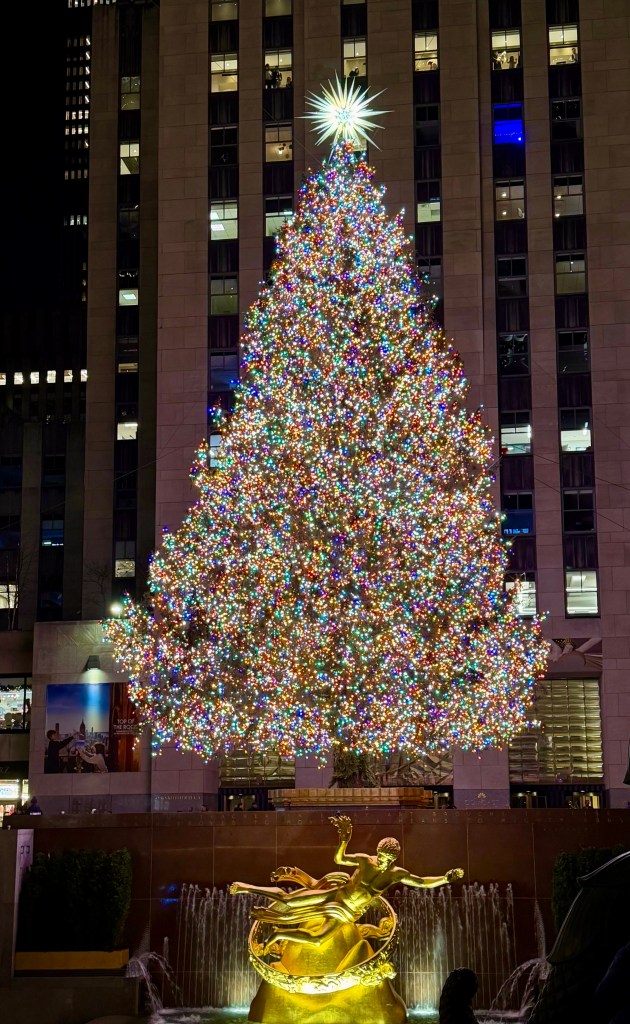
Christmas Tree, 2025
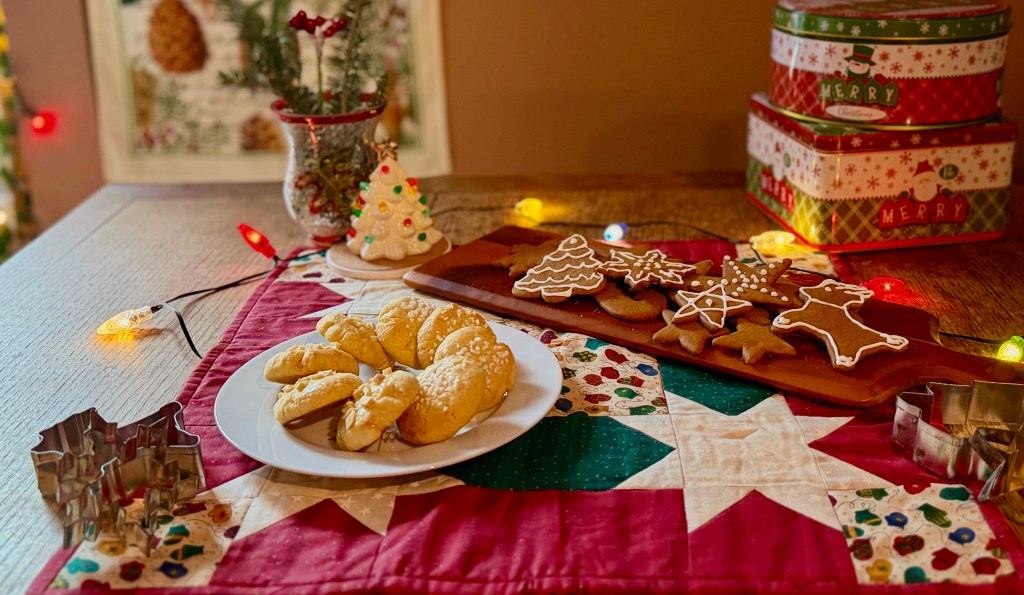
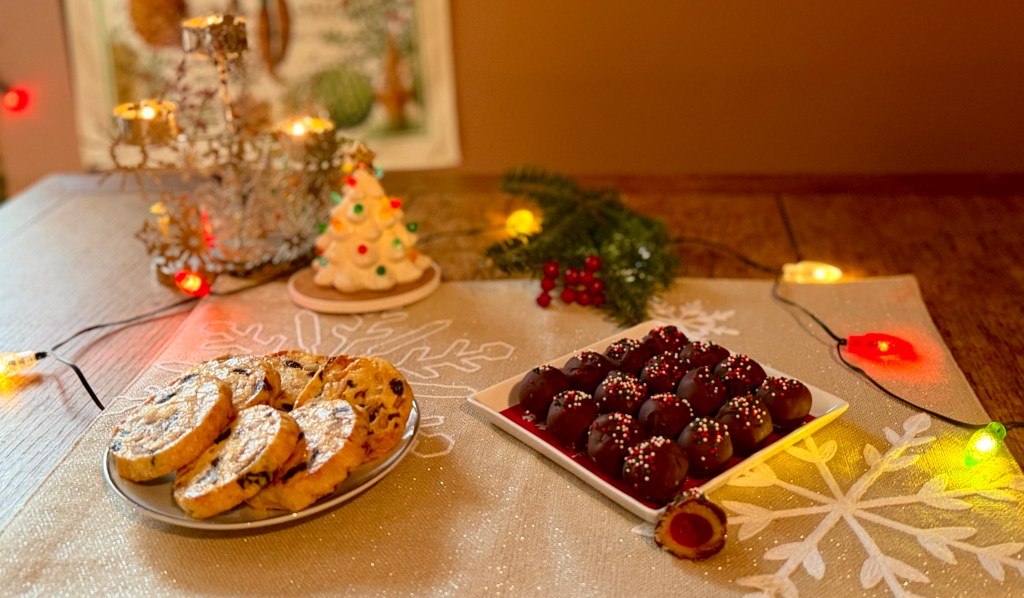
We don’t usually travel for Christmas. We always visit with local family on Christmas Eve and spend Christmas Day quietly at home. My mom is from Norway, so we have a few small Norwegian traditions, particularly when it comes to food. I usually make a couple of types of cookies using my grandmother’s recipes such as Serinakaker, a vanilla butter cookie, and Pepperkaker, a type of gingerbread. We also have our big family gathering and meal on Christmas Eve, just like they do in Norway.
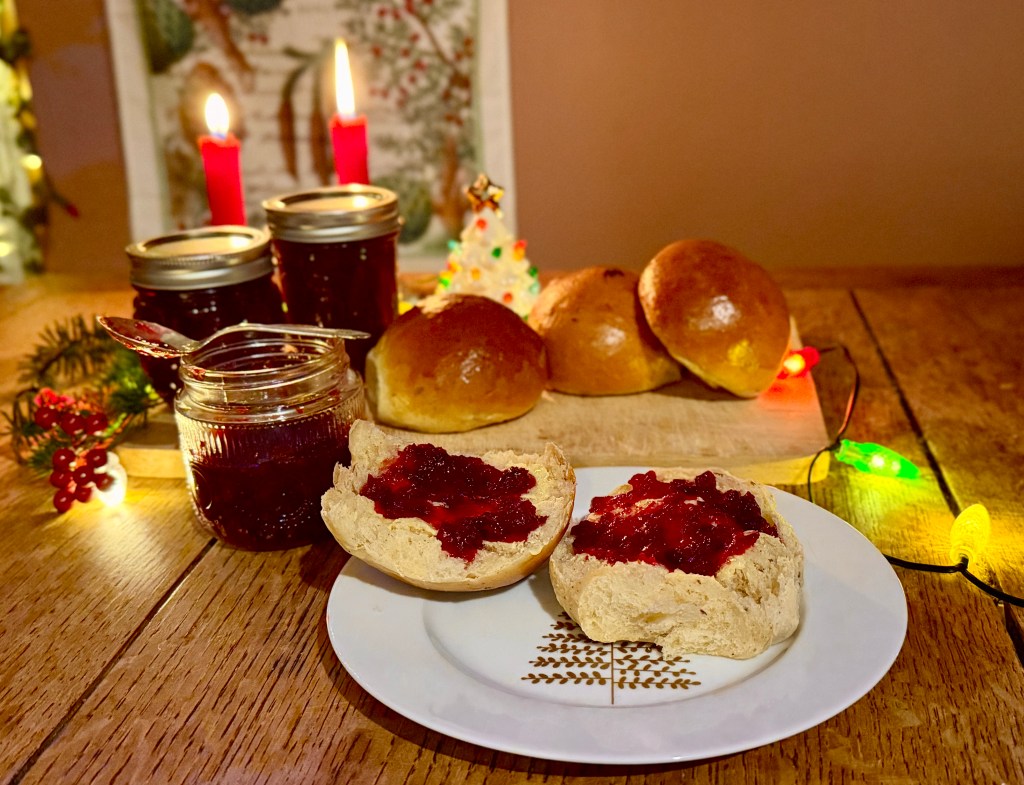
I also bake a type of Norwegian sweet roll called Rosinboller which translates to “raisin buns”. They are lightly sweet and flavored with cardamom. Rosinboller aren’t exactly Christmas fare, but Christmastime is when I always bake them for my mom.
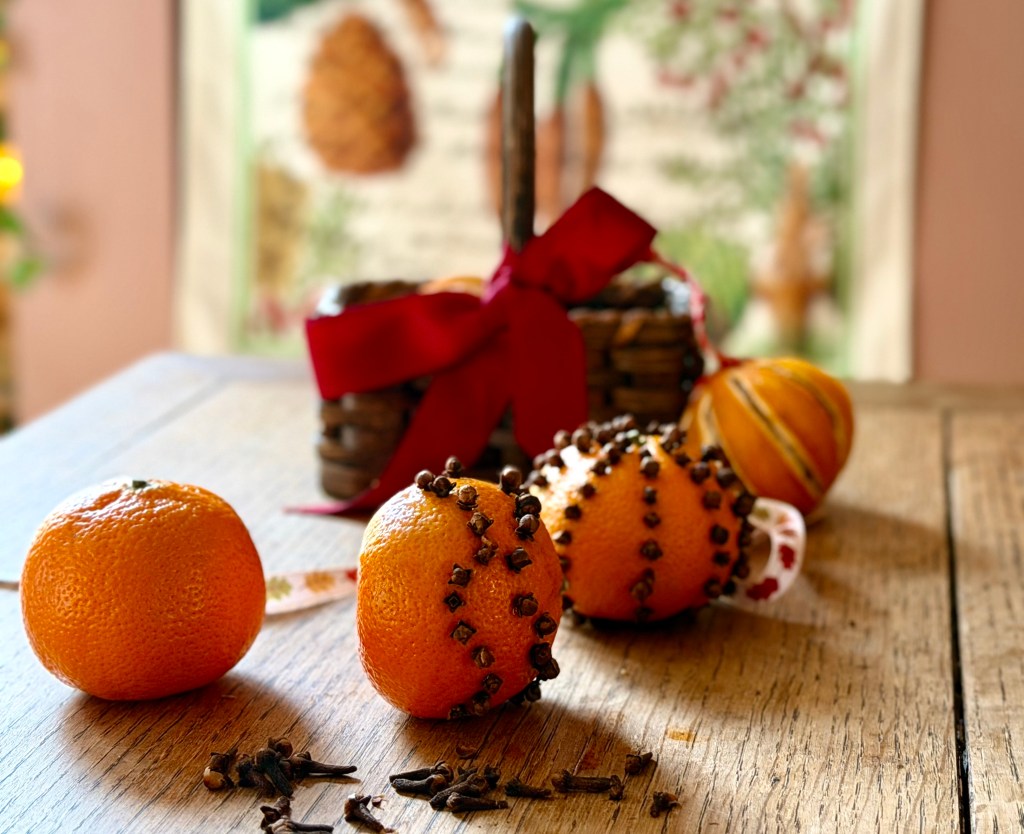
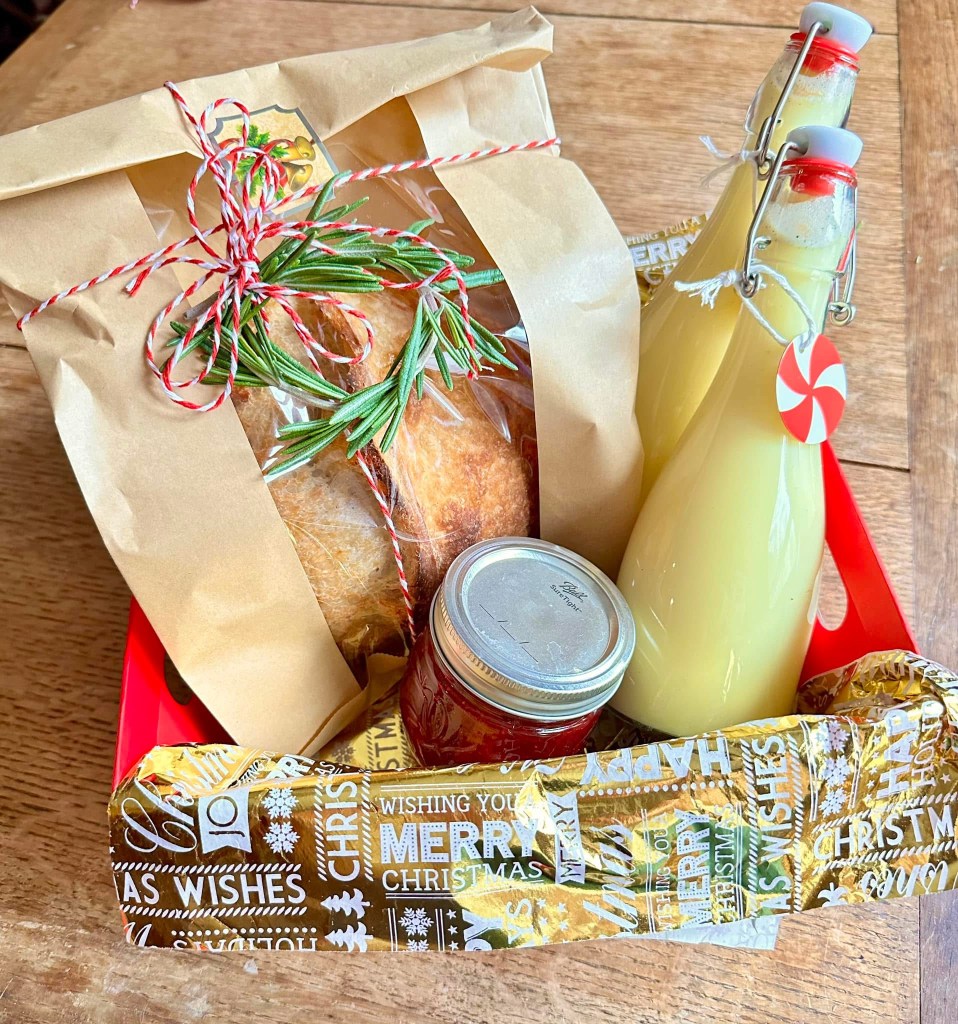
I also do little holiday things like – make pomanders with oranges and cloves, cook up a batch of Christmas Jam and bake sourdough for gift baskets and assemble little chocolate candies made with cognac marinated cherries wrapped in marzipan and then dipped in chocolate. I’m actually kind of accidentally Cottagecore – in a very casual way – without the prairie dresses.
Speaking of traditions, do you ever wonder why we celebrate Christmas the way we do? Some people might be surprised to know that Christmas wasn’t always a big deal – at least not in the way we think of it now. In fact, at one point, in the 17th century, it was even illegal to celebrate Christmas in the Massachusetts Bay Colony. This was largely because Christmas (and the Twelve Days that followed) were often associated with rowdy, drunken revelry rather than a religious observance or peaceful family gatherings.
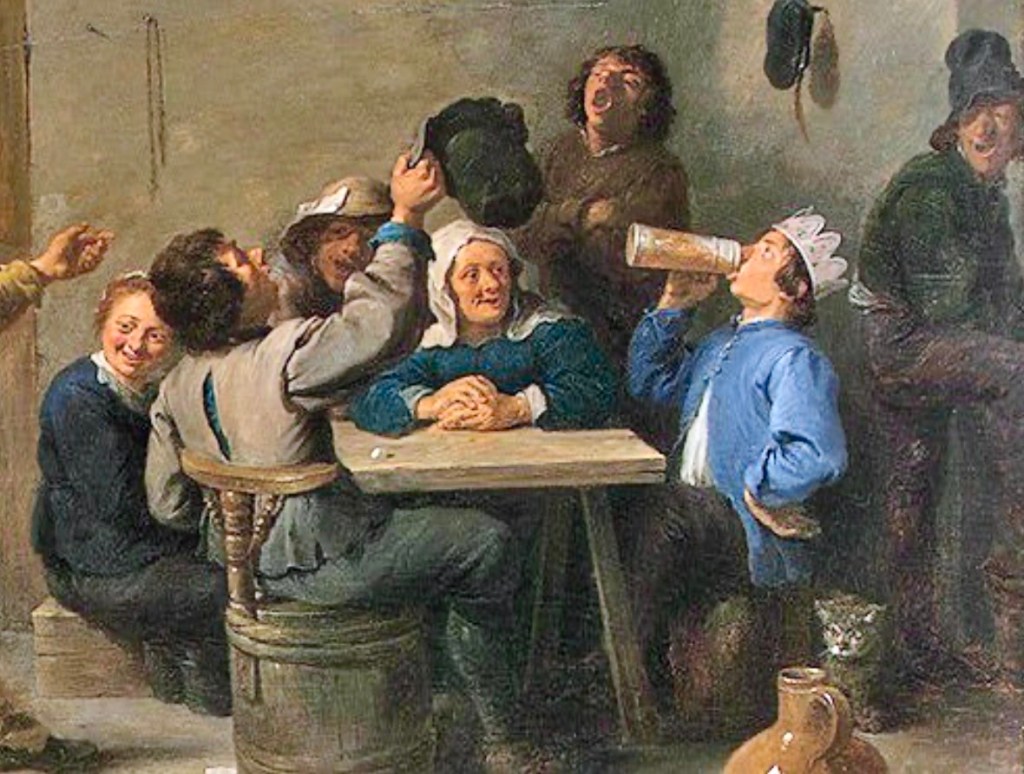
by David Teniers the Younger
Christmas didn’t even become an official U.S. holiday until 1870, when President Ulysses S. Grant signed a bill that declared December 25th a federal holiday.
The type of Christmas we recognize today – with its cozy charm, focus on family and the magic of Santa Claus – is really a product of the 19th-century Victorian era in both England and the United States and a clever ad campaign by Coca-Cola in the 1930’s. Christmas trees, originally a German tradition, became popular during this time period thanks to Prince Albert of England – who was actually German. He brought a Christmas tree to Windsor Castle and the tradition caught on quickly in Britain before eventually making its way across the Atlantic.

around the Christmas tree, 1848
Webster Museum, Public Domain
During this time period, the idea of Christmas as a warm, family-oriented holiday began to take hold. Many of the traditions we are familiar with today can be attributed to in part to three 19th century writers: Washington Irving, Clement Clarke Moore and Charles Dickens…and yes, a beverage company!
Washington Irving is most famously known for his spooky story The Legend of Sleepy Hollow, published in 1820 as part of a larger collection of stories called The Sketch Book. But the Sketch Book also included a selection of stories called Old Christmas, which centered around a traditional English Christmas celebration. These stories described a romanticized version of the holiday, filled with festive details like the burning of the yule log, a big family feast, caroling, kissing under the mistletoe, decorating with evergreens, and even the idea that St. Nicholas, pipe in hand, would arrive during the night in his flying wagon to leave toys for children.
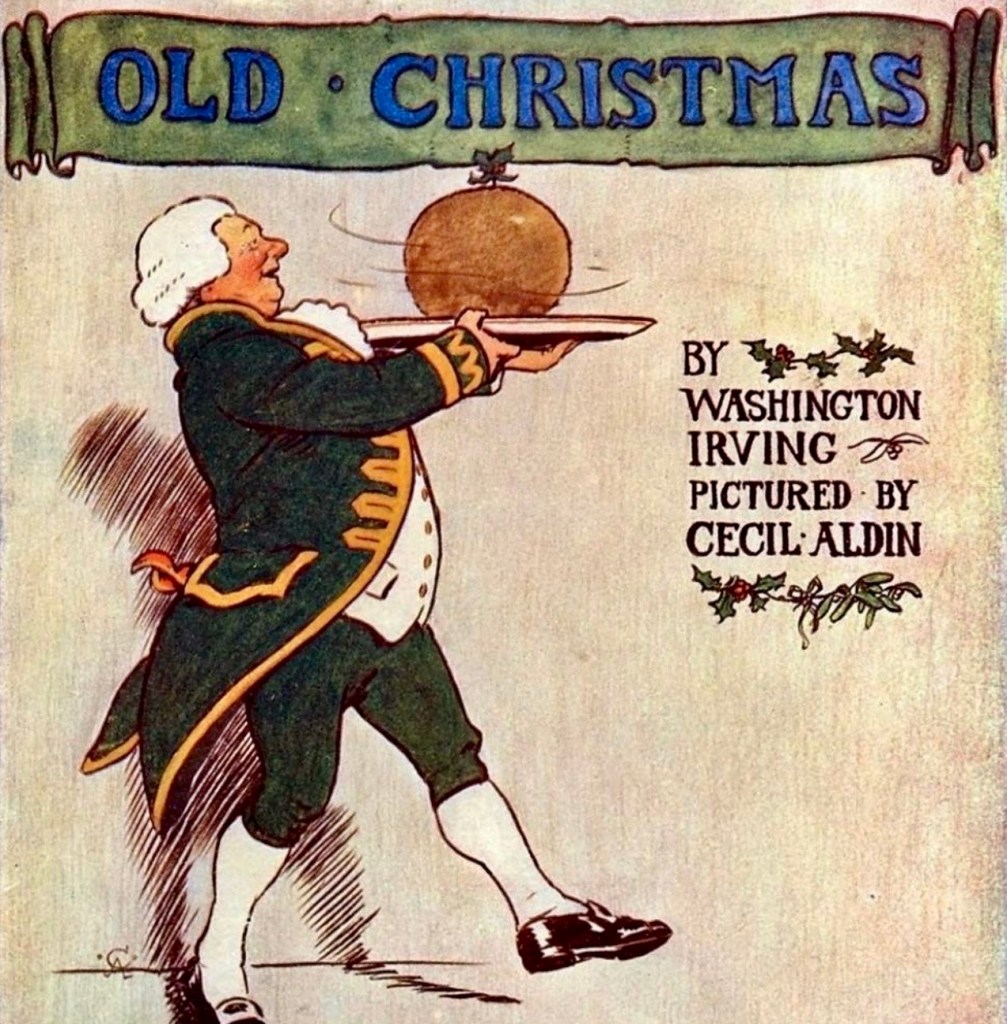
Library of Congress
The transformation from Saint Nicholas to our modern idea of Santa Claus was further shaped by the famous poem A Visit from St. Nicholas, which we all know as ‘Twas the Night Before Christmas. Published in 1823, the poem introduced us to the jolly, chubby, gift-giver that we all know and love – one who travels by magic sleigh and arrives in our living rooms via chimney on Christmas Eve to deliver presents. It was also the first mention of the now-iconic eight flying reindeer: Dasher, Dancer, Prancer, Vixen, Comet, Cupid, Donder and Blitzen. (Rudolph came on to the scene much, much later).
Over a century later in 1931, the Coca-Cola company clinched it when they hired the artist Haddon Sundblom – who, inspired by ‘Twas the Night Before Christmas, created the iconic human-like, jolly old man with a white beard, rosy cheeks, donning a bright and cheerful red suit that we all recognize today as Santa Claus.

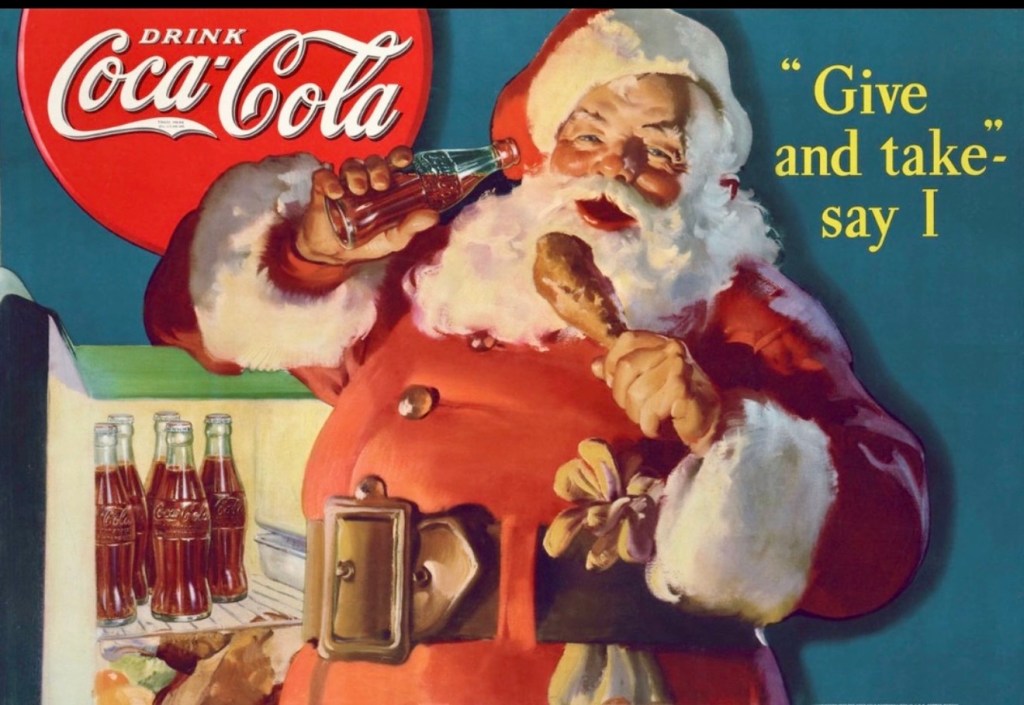
Courtesy of The Coca-Cola Company
Charles Dickens’ A Christmas Carol, published in 1843, emphasized Christmas as a time of charity and empathy to those in need. It contributed to the idea of Christmas as a family-centered holiday filled with a family Christmas dinner, caroling and the giving of gifts. His story put both a social and moral spin on Christmas – shifting the focus from a raucous revelry and obnoxious drinking to kindness to others and goodwill. We can also thank Dickens’ A Christmas Carol for the most famous phrase we pass around like candy during the holidays – Merry Christmas!
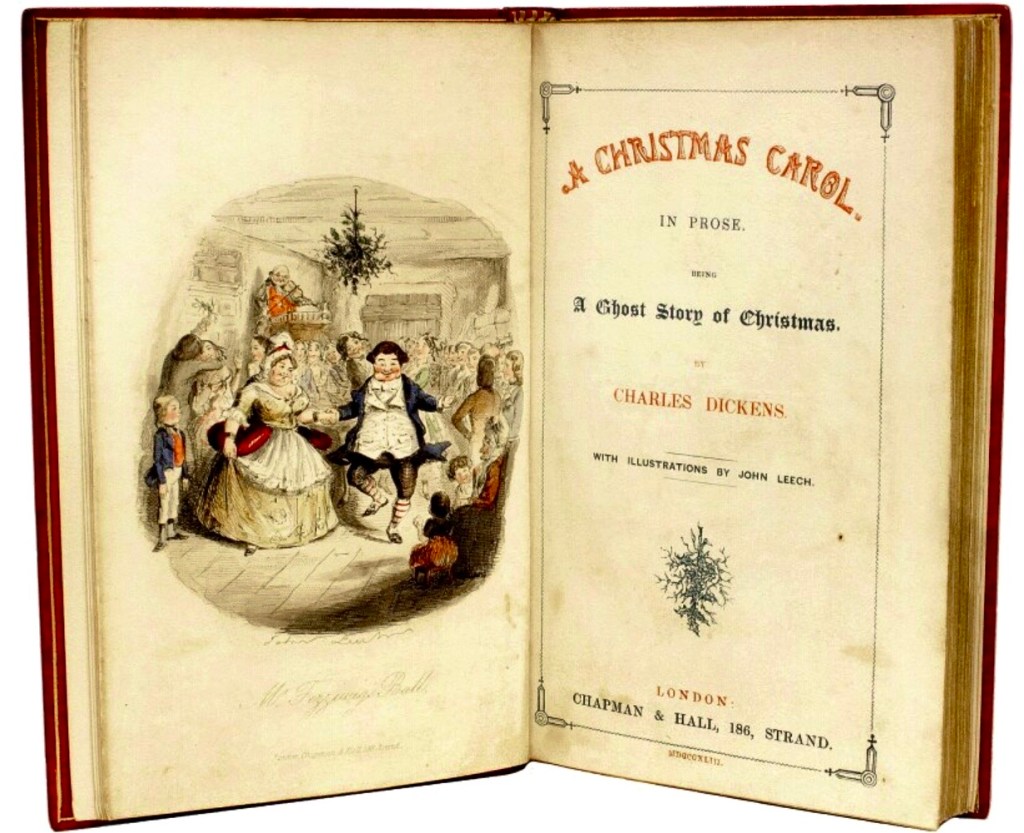
Christmas Fun Facts
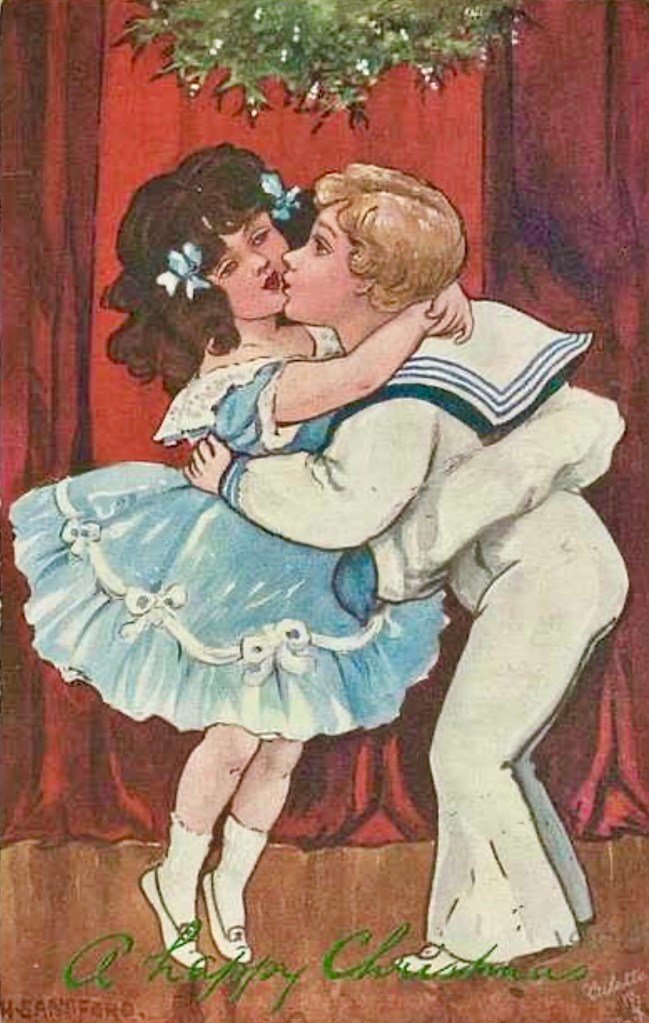
Mistletoe – an opportunity to spread some love…
The origin of this holiday tradition actually comes from ancient Norse, Celtic and Druid cultures. Mistletoe was often seen as a symbol of fertility and virility – the Druids even believed it to be an aphrodisiac. The plant itself is parasitic, growing on a host tree and hanging from its branches.
The name “mistletoe” comes from the Old English words mistel (meaning dung) and tan (meaning twig) – basically, birds would eat the berries and then – after digesting them – disperse the seeds in their droppings, leading to new mistletoe growth. So, yes, mistletoe literally means poop on a stick. Very romantic.
It was the Victorians that made it into the cute-meet that we know it as today, turning it into a Christmas kissing tradition. For every kiss under the mistletoe, a berry would be plucked. When there were no more berries, there could be no more kisses.
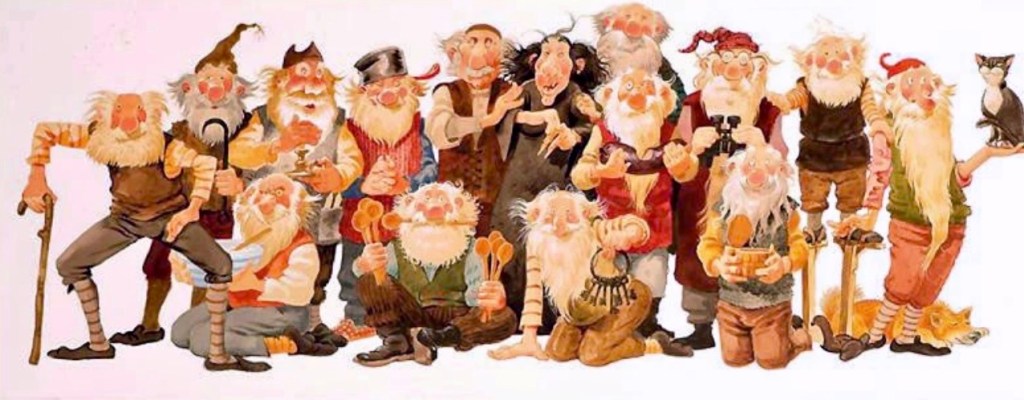
One Santa Claus or….thirteen?!
Many countries have their own version of Santa Claus. In Norway, it’s Julenisse – a sort of Christmas gnome that usually lives in the barn with the cows. In England, he’s called Father Christmas – pretty much the same as our American Santa. In the Netherlands, it’s Sinterklaas – the OG Santa and the figure our modern Santa evolved from.
But in Iceland?
They have the Yule Lads (Jolasveinar) – not just one but thirteen mischievous trolls that roam the countryside, engaging in various shenanigans, during the two-weeks preceding Christmas. Each Yule Lad has his own name and personality. To name a few, you have Doorway-Sniffer, Spoon-Licker, Curd-Gobbler, Candle-Stealer, Sausage-Swiper, Stubby, Gully-Gawk, and the rather disquieting Window-Peeper – yikes!
Aside from their antics, this little gang of trolls take turns visiting children during the night and leaving them little presents in their shoes….or, if they’ve been naughty, a rotten potato.
Gin Rummy or secret maps?
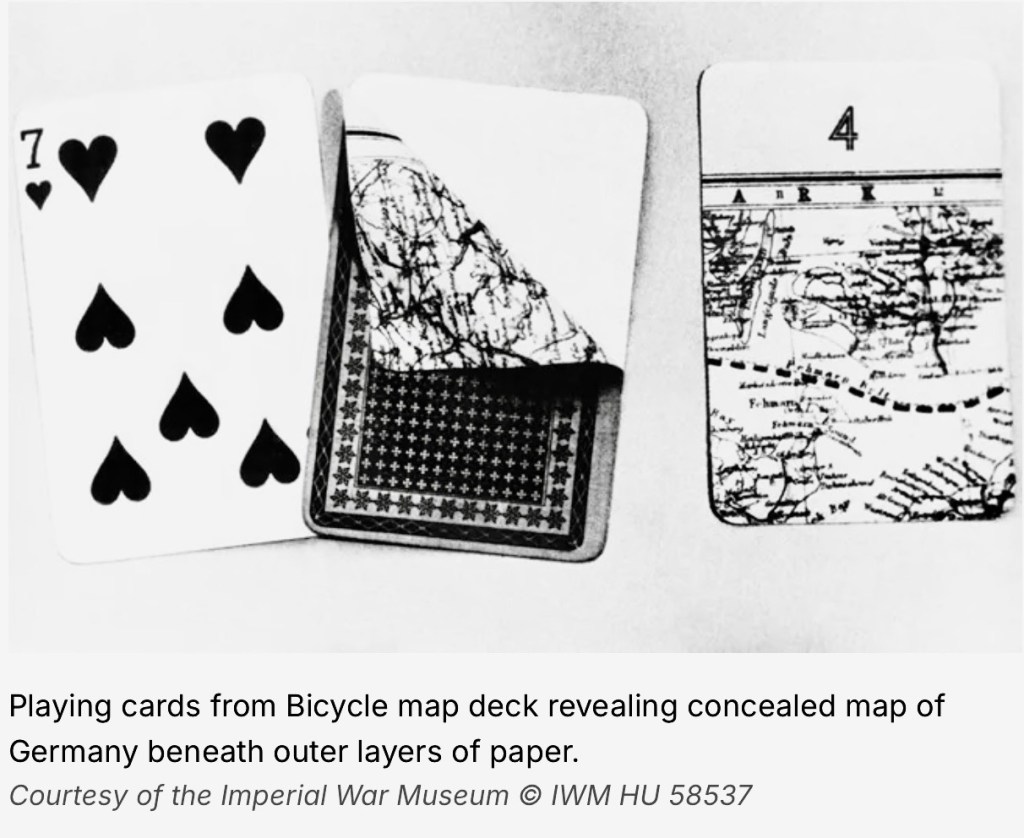
During World War ll, packs of playing cards were often distributed to American and British soldiers as Christmas gifts. These seemingly innocuous decks had a secret mission all their own.
American and British Intelligence enlisted the help of the Playing Card Company – makers of Bicycle Cards – to create special decks to be distributed by the Red Cross in Christmas parcels to allied POW’s . Their clandestine mission? To hide maps of escape routes to assist Allied prisoners in escaping from German POW camps.
When the cards were soaked with water, the individual cards peeled apart to reveal the hidden maps. These special playing cards are credited with assisting in at least 32 successful escape attempts during the war.
The Playing Card Company also created “spotter decks” with images of enemy tanks, planes and ships hidden within them to help both civilians and troops identify them.
And lastly….
Fruitcake – the gift that keeps on giving…
What food is more synonymous with Christmas than a fruitcake? A holiday tradition that just about everyone knows – and very few actually want to eat – yet the tradition persists!
Originating in ancient Rome, fruitcake gained popularity in the middle-ages due to its impressive shelf-life and was often reserved for special occasions such as Christmastide and weddings. Made with dried and candied fruits, nuts, sugar, and spices, it’s then traditionally soaked in liquor such as brandy, rum, bourbon or sherry. Its longevity is attributed to its high sugar and alcohol content.
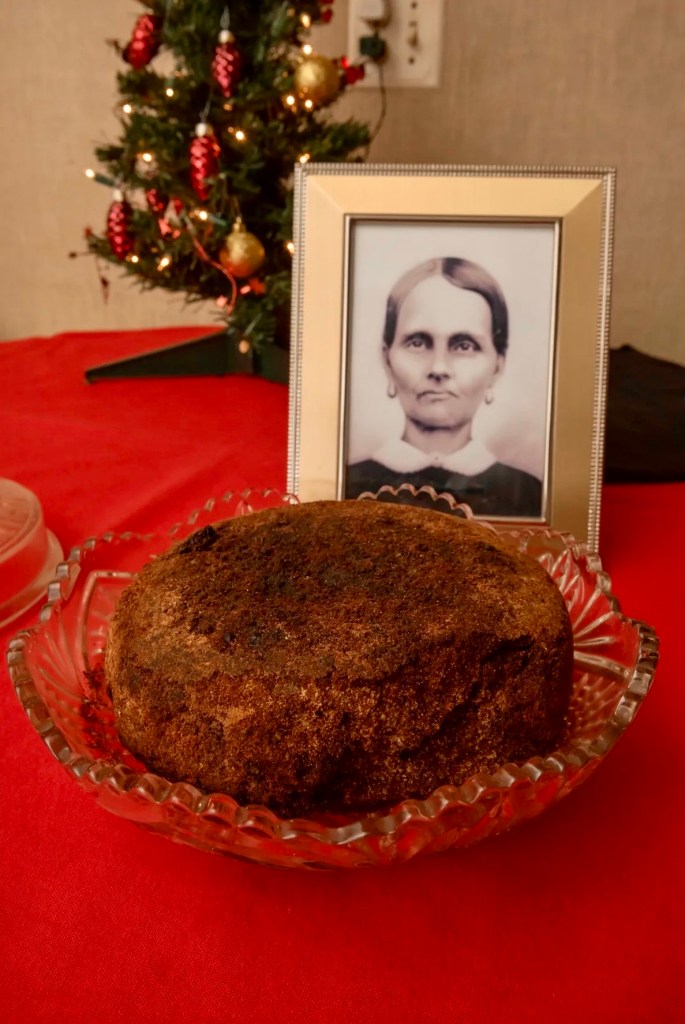
One of the oldest known fruitcakes was created in 1878 by Fidelia Ford in Tecumseh, Michigan. It’s been passed down through the Ford family for generations, making the 147-year-old Christmas treat the one of world’s oldest (known) fruitcakes – technically still edible – Jay Leno had a bite! – though definitely not recommended for human consumption.
David Guralnick, The Detroit News
Thank you for reading – I hope I was able to entertain you a bit with my version of Christmas Cheer. I hope you are all able to find little pockets of joy and light, and small reasons to celebrate during this holiday season,
no matter what life throws your way.
Merry Christmas!


 Anne Charlotte Photography
I’d love to hear your thoughts