Hope smiles from the threshold of the year to come, whispering, “It will be happier”.
~ Alfred Lord Tennyson
2025 is gone. 2026 is here – a fresh start full of possibilities. An opportunity to start new, dream big and hope for happiness. It’s kind of strange concept, isn’t it? Waiting for one specific day in a year to have that “start fresh”, make resolutions for the coming year (I never bother), to say goodbye to the old and ring in the new. Isn’t every day the first day of another 365 days? An opportunity in which one can leave behind the old and look forward to fresh starts, new possibilities and resolve to make changes or keep promises?
After all, time is a human-made concept.

But let’s not get too deep—after all, it’s a holiday! And resolutions, saying a symbolic farewell to the year past and celebrating the incoming new year full of promise, is tradition—and if you read any of my other holiday posts you’ll find that this girl loves tradition (I still won’t bother with making New Year’s resolutions though).
As far as New Year’s Eve and Day go, I actually don’t have many traditions. Growing up, this was never a big holiday in my home. We did the standard “watch the ball drop” on TV on New Year’s Eve with Dick Clark’s New Year’s Rockin’ Eve special. Living so close to Manhattan, there were a few times standing out in the bitter cold in Times Square with friends when I was in my late teens (a highly over-rated experience, by the way). But otherwise New Year’s Day was a quiet day with not much happening.

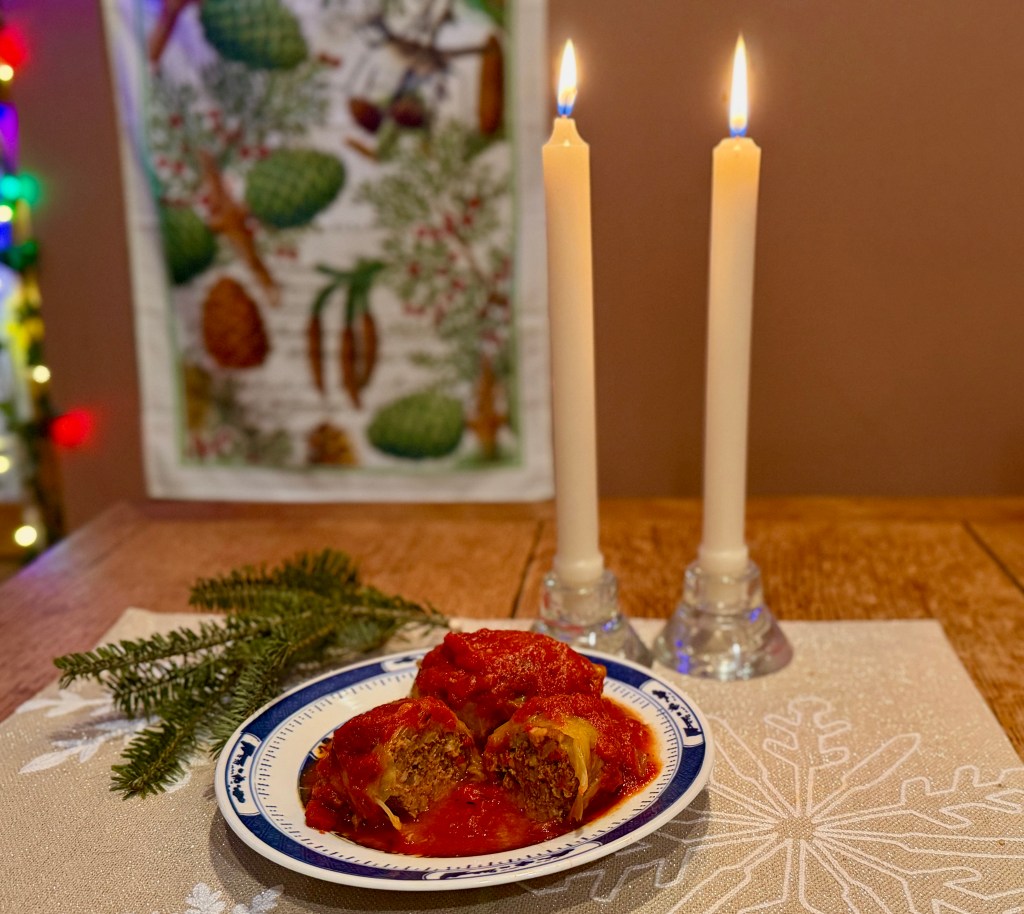
There was one tradition I grew up with—my mom would always make cabbage rolls for dinner on New Year’s Day. It was supposed to bring luck and prosperity for the coming year. These days, I always work on New Year’s Day so while I do make the cabbage rolls, it’s usually either a few days before the holiday or not until January 2nd or 3rd.
Ringing in the new year with a celebration is nothing new. In fact, about 4,000 years ago, the ancient Babylonians had a New Year’s celebration. Except they didn’t celebrate in January. In ancient Babylon, the new year was marked as the first new moon after the vernal equinox. That kind of makes sense—the new year happening at the same time as the spring awakening of new growth and longer days. I could totally get on-board with a spring New Year’s!
The Babylonians celebrated with a massive 12-day religious festival called Akitu, which is a Sumerian-derived word meaning barley—a spring crop in Mesopotamia. Still celebrated today by Assyrians and Chaldeans, it is a vibrant cultural festival that takes place on April 1st—featuring parades, traditional clothing, dancing, music and foods.
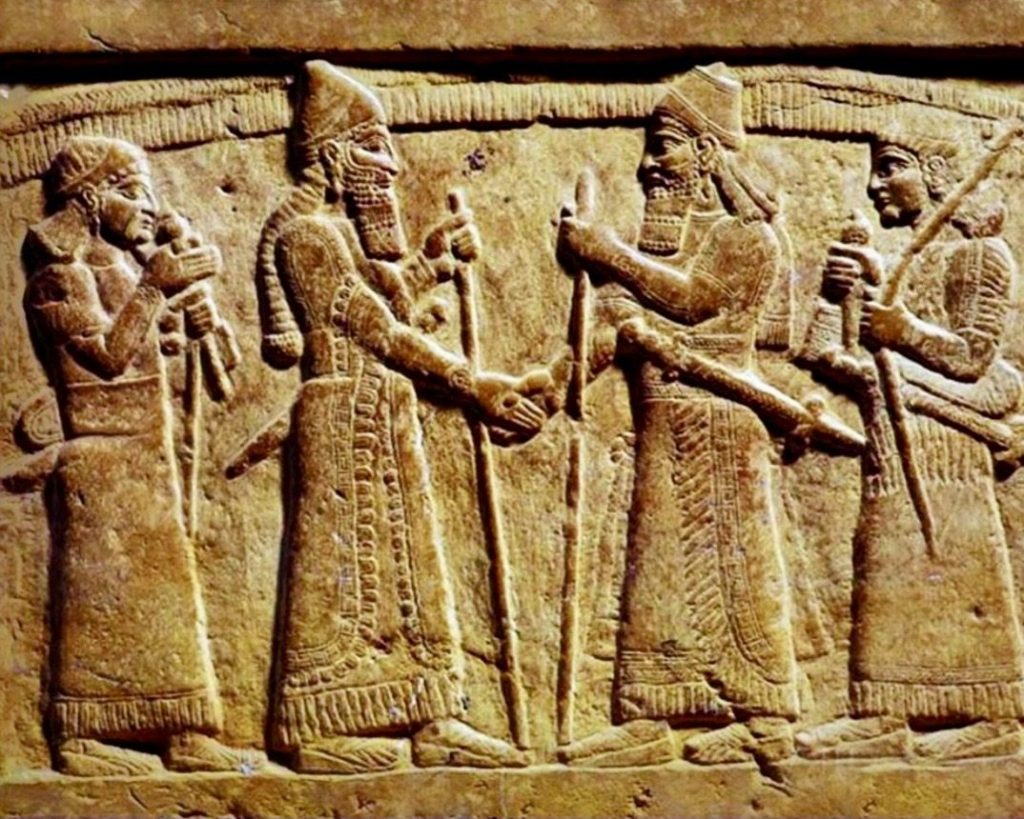
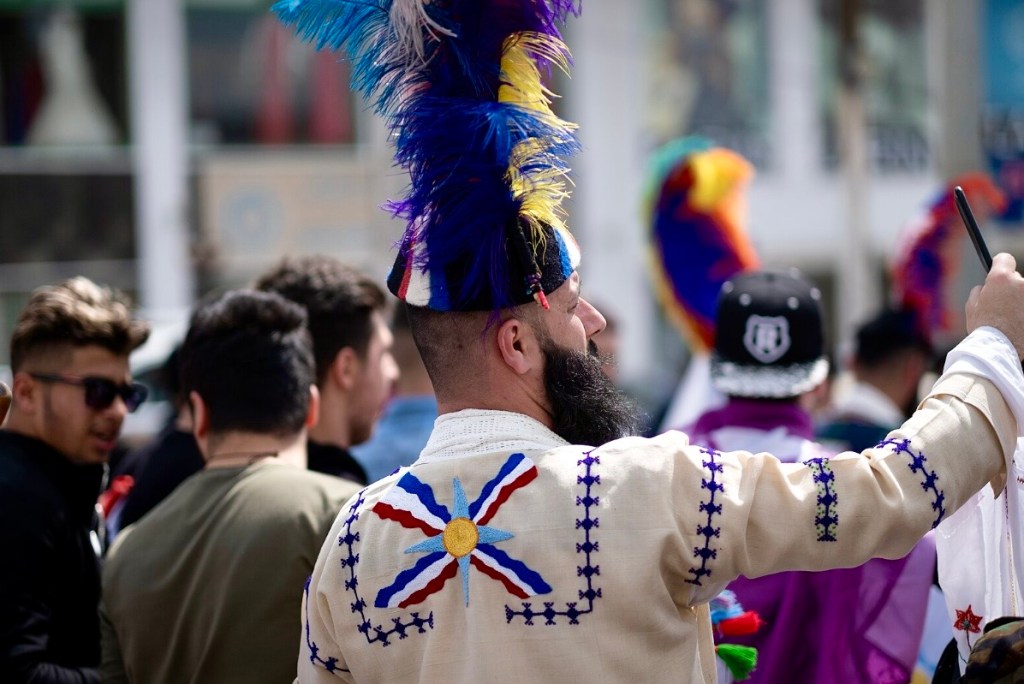
Photo: Public Domain
The Romans were also were known to coincide the new year with the vernal equinox. But over the centuries, their original 10-month calendar just wasn’t working out, as it fell out of sync with the sun. So their solution was to add a couple of months to the year—Januarius and Februarius. It was the Romans who moved New Years Day to January 1st. Part of the reason for this was to honor the Roman god Janus, who was the god of beginnings and had two faces that allowed him to both look back into the past and forward to the future.
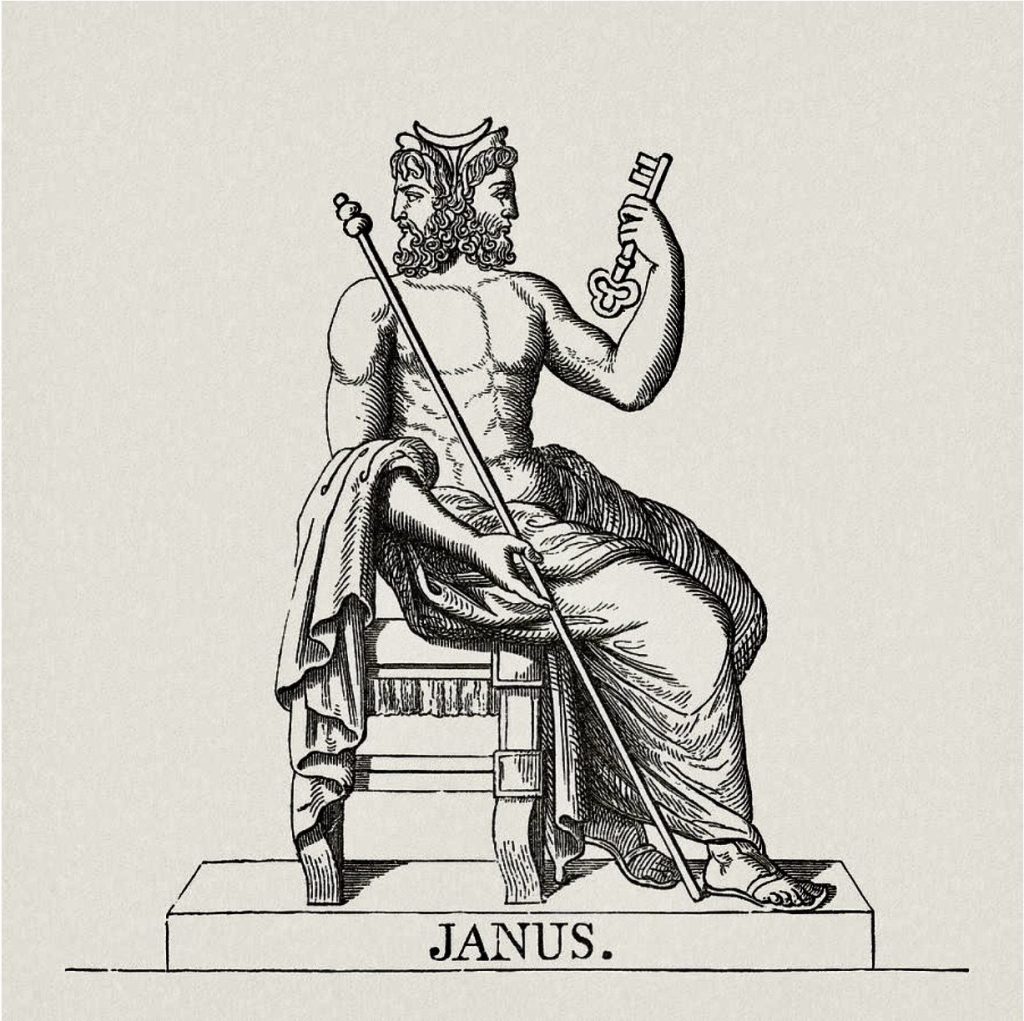
Public Domain
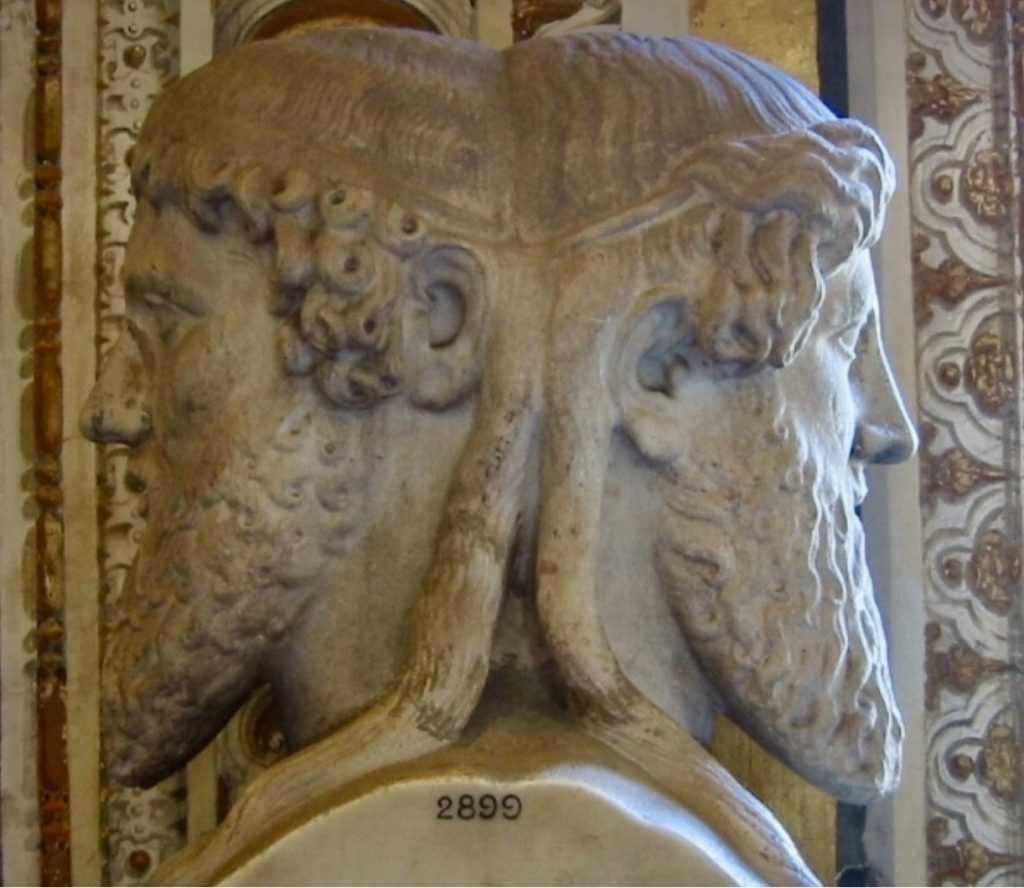
Public Domain
The Romans took their New Year’s celebrations seriously—they decorated with laurel branches, threw raucous parties, offered sacrifices to Janus, and exchanged gifts with each other. Fast forward a few thousand years and we still have some of those ways of celebrating in common—sans offering sacrifices to Janus.
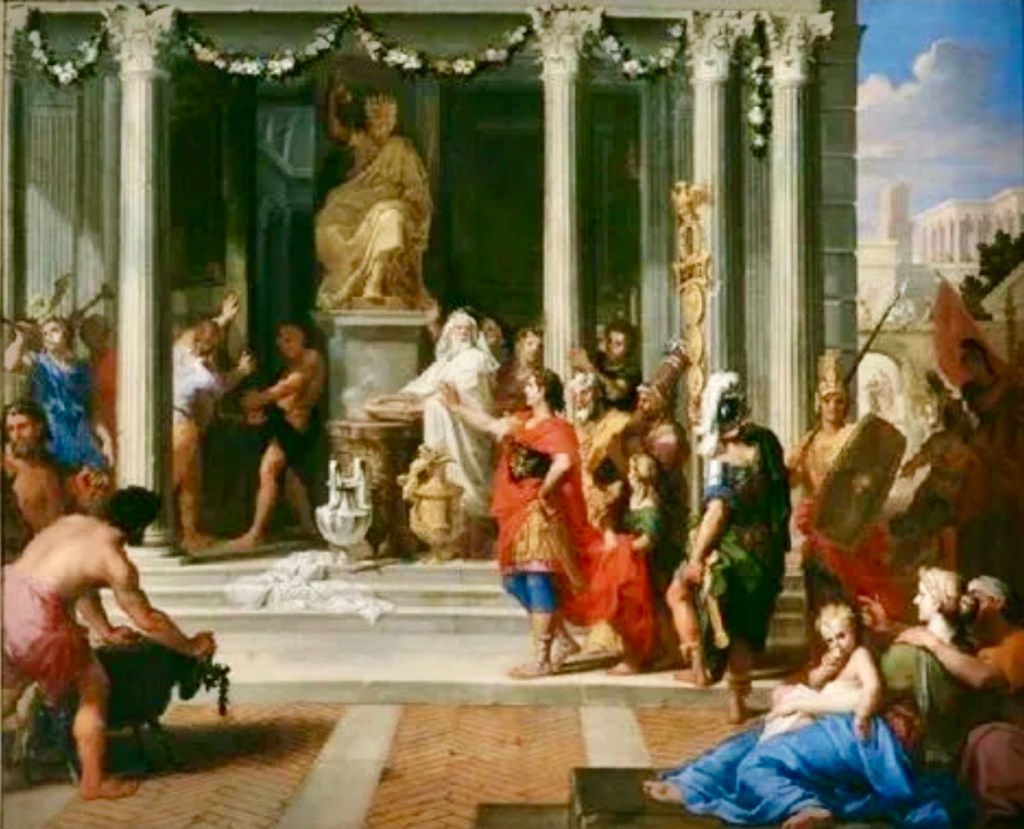
by Louis de Boulonne. Public Domain
New Year’s Fun Facts
Auld Lang Syne or a 1,000 years long song marathon?
For many of us, Auld Lang Syne comes to mind when thinking of the New Year’s holiday. But there’s another New Year’s song gaining attention for its unusually long length. Composed by British musician Jem Finer, Longplayer is performed on Tibetan singing bowls inside the lighthouse at London’s Trinity Buoy Wharf—it’s available to stream live here.
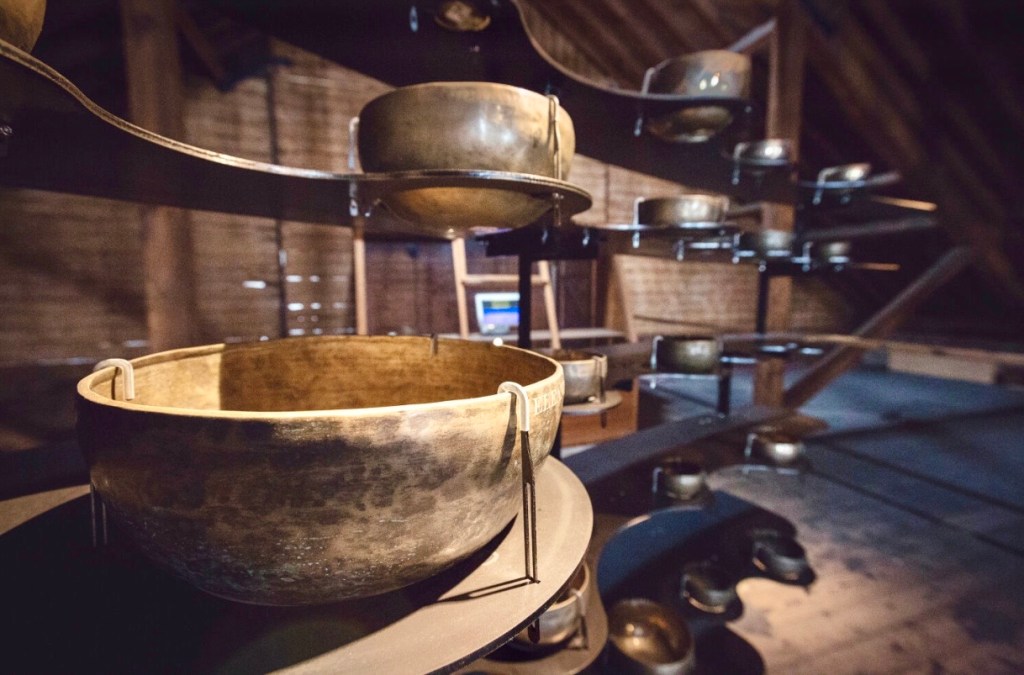
London, England
It launched on January 1, 2000, and is set to play continuously for 1,000 years without repeating—automatically completing and restarting again on December 31, 2999.
Very cool concept, but I’ll be honest: it kind of drives me a bit nuts to know that I will never get to hear the end of it. It’s like losing a book before reading the last chapter—and there is only one printed copy in existence.
For more information on Longplayer, click here.
Foods to bring good luck and prosperity!
In Spain, it is tradition to quickly munch a handful of grapes at midnight—12 grapes, to be exact—one for each month of the coming year. Each grape must be eaten with the chime of the bells at midnight, and all twelve grapes must be finished by the final chime to ensure good luck and prosperity for the new year.
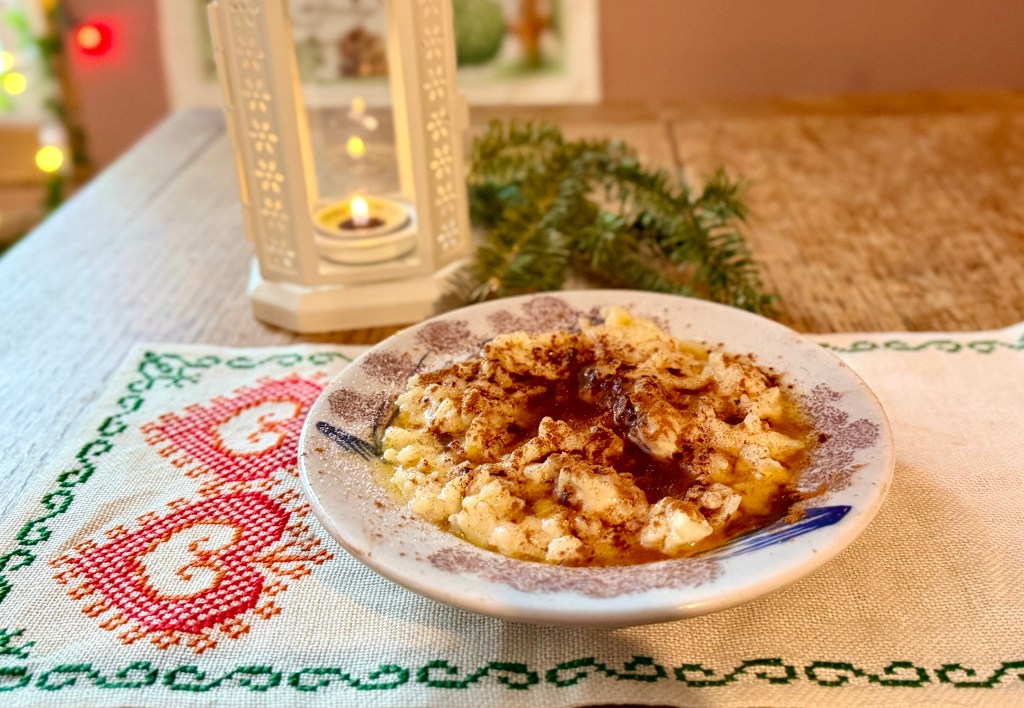
In Norway, it’s customary to serve Risgrøt—a creamy rice pudding flavored with a vanilla bean and a pinch of cardamom then topped with melted butter, cinnamon and sugar—on Christmas Eve and/or New Year’s Eve. A single blanched almond is hidden in the bowl, and whoever finds it wins a small prize and is said to be blessed with good fortune, health and prosperity in the year ahead.
The Times Square New Year’s Eve Ball Drop…tradition or publicity stunt?
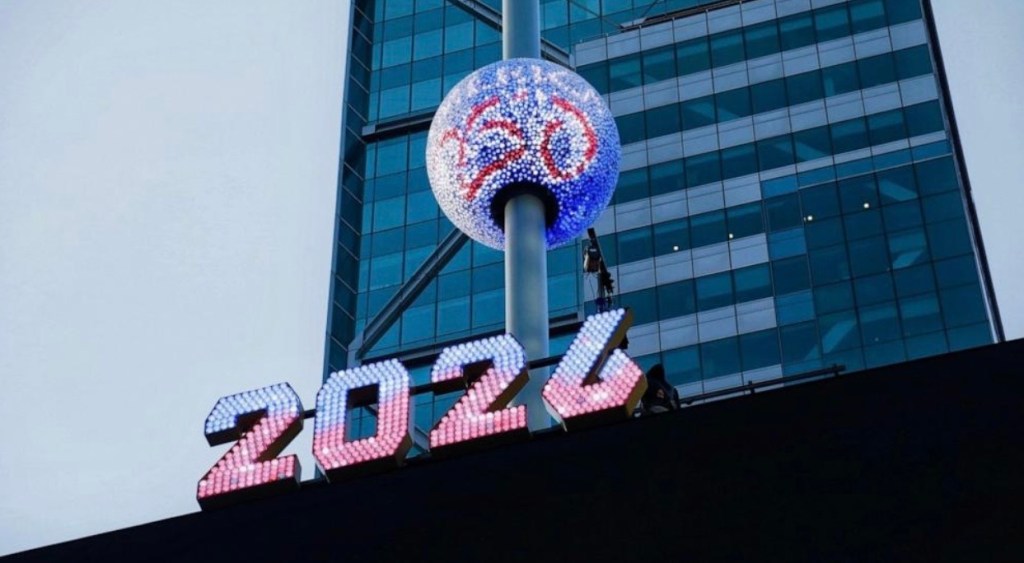
Every New Years Eve in New York City’s Times Square, a giant sparkling ball descends from a pole atop One Times Square to the countdown of the old year transitioning into the new. This event is watched by more than one billion people worldwide—about one million of whom are actually present in Times Square.
The Times Square Ball Drop tradition began on December 31, 1907 as a publicity stunt to ring in 1908. The annual Times Square celebration itself began in 1904 when The New York Times owner, Adolph Ochs, decided to commemorate the opening of the newspaper’s newly built headquarters—the Times Tower (now called One Times Square)—with a fireworks display. This continued for a few years until the City of New York banned the fireworks over safety concerns.
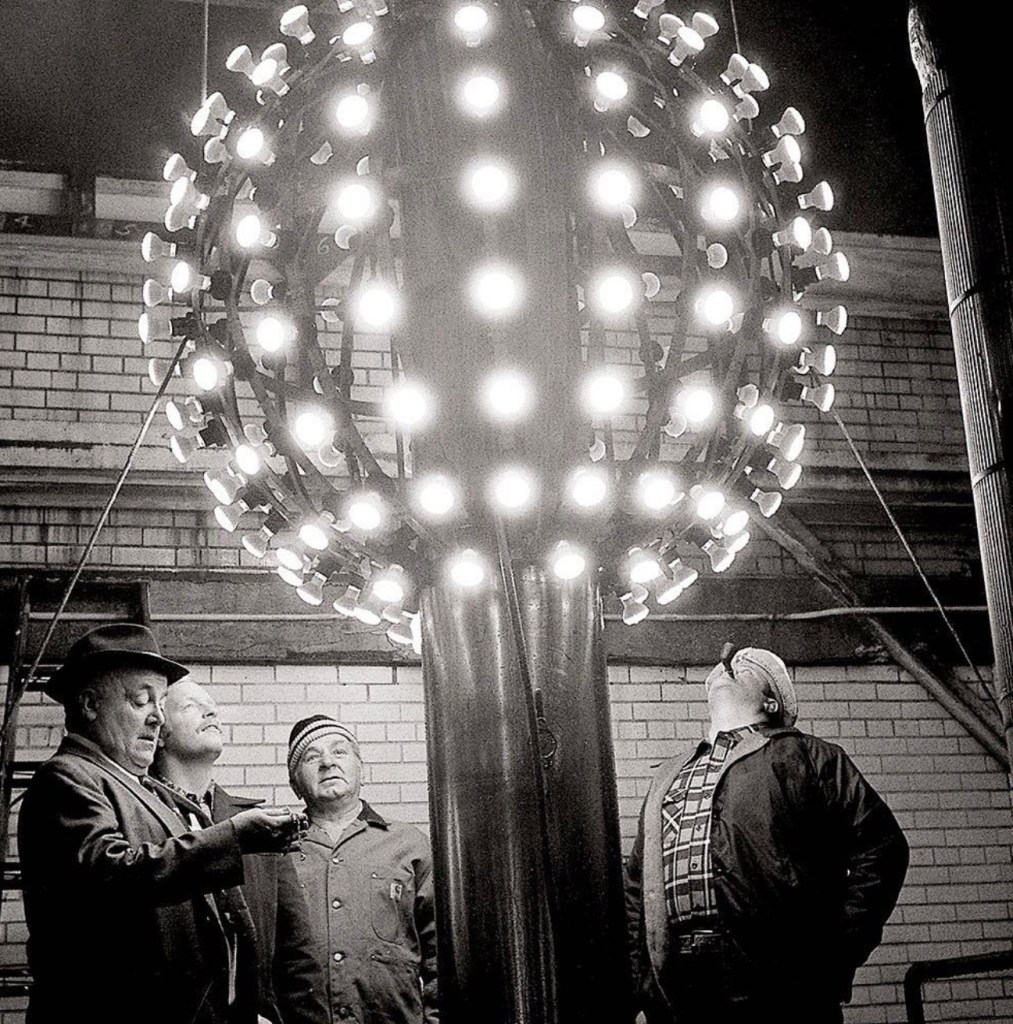
So, in 1907, as an alternative publicity stunt, a large iron-and-wood ball, about five feet in diameter—illuminated with 100 incandescent bulbs—was lowered from the seventy-foot flagpole on the rooftop of the building. Once the ball completed its sixty-second descent, five-foot-tall illuminated signs on the building signaled the official arrival of the new year. To further promote the event, waiters in nearby restaurants and hotels wore top hats fitted with battery-powered lights. The hats were switched on at midnight and displayed the numbers 1908 in tiny light bulbs that matched the lighted signs on the Times Tower.
The ball drop tradition has continued every year since—with the exception of 1942 and 1943, when wartime “dimout” restrictions suspended the ball drop part of the celebration.
The Times Square New Year’s Eve celebration is currently on its ninth official ball since the first version in 1907. The current ball measures twelve-feet in diameter and is covered in Waterford crystal panels illuminated by LED lights. This year’s theme is a patriotic red, white and blue ball marking the 250th anniversary of the United States of America. It will make its glittering debut descent this December 31st, at 11:59 pm.
However you intend to celebrate the turning of the new year—whether you are throwing or attending a party, braving the cold in Times Square or similar outdoor event, watching the ball drop on TV, or if you are one of those who plans to ring in the new year sleeping (hi, it’s me!), I wish you a joyful new year.
I hope the year 2026 is better than the last, that you are able to find peace, and that you are blessed with something that you hope for and need.
Happy New Year!

 Anne Charlotte Photography
I’d love to hear your thoughts